












Pilot Wire - LoRaWAN Electric Heater Actuator - Watteco
Specific project or quantity requirement?
For a multi-site deployment, a specific technical requirement or a volume order, please contact us for tailored advice or a customised offer.
CREATE YOUR ACCOUNT AND DISCOVER OUR SPARWAN ADVANTAGES

Dedicated Sales Representative
Sourcing and Consulting

Partner Rates
and volume discounts

Payment Terms
suited for pros
Pilot Wire - LoRaWAN Electric Heater Actuator - Watteco
Pilot Wire - LoRaWAN Electric Heater Actuator - Watteco
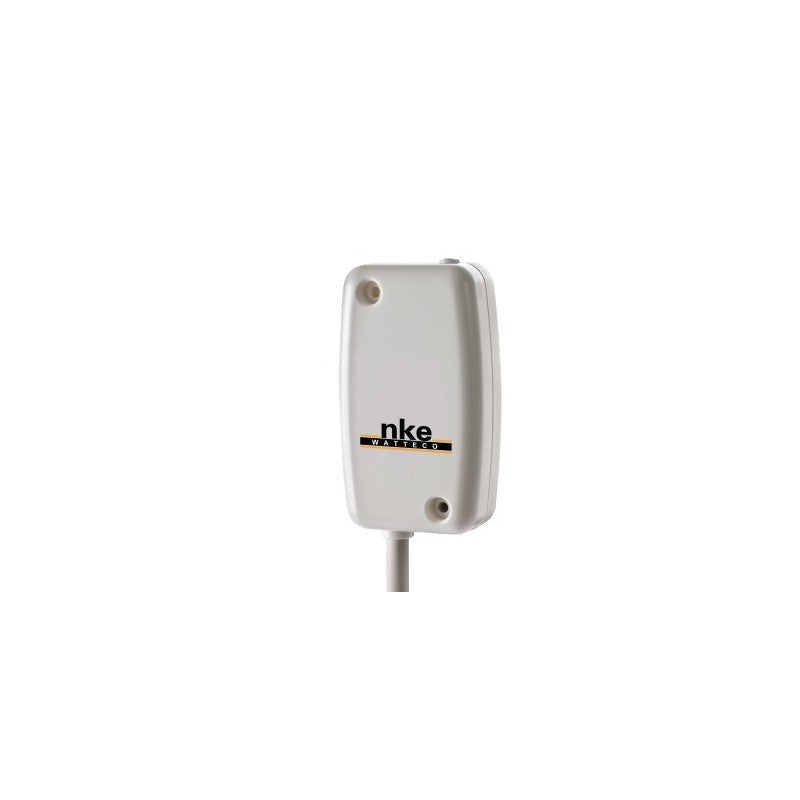
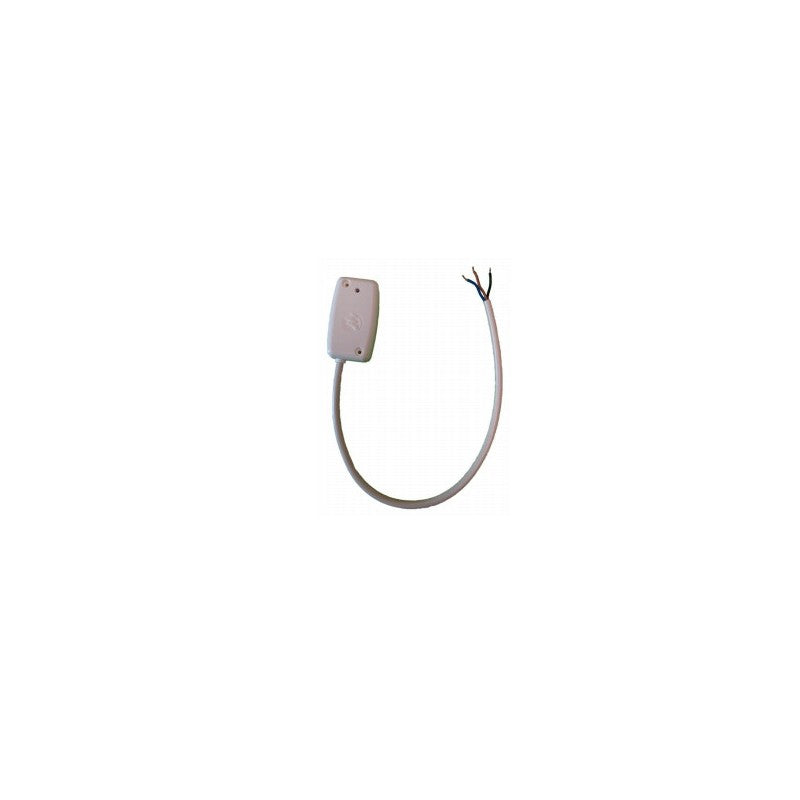
The Watteco Pilot Wire is a LoRaWAN actuator for electric heaters. It is not a meter or a measurement unit: its role is to remotely control electric radiators equipped with a pilot wire.
Heating Control
The actuator allows managing the 6 pilot wire commands: Comfort, Eco, Frost Protection, Stop, Comfort -1 and Comfort -2. It can be used to adjust heating setpoints remotely and contribute to an energy management strategy in a building.
LoRaWAN Transmission
The product communicates via LoRaWAN in Class C on the 868 MHz band. It can be integrated into a LoRaWAN gateway and a compatible IoT platform to control commands, schedule scenarios, or reduce heating consumption.
Installation and Use
The Pilot Wire is designed for pilot wire compatible electric radiators. It has Class II electrical protection and transmits data with differential compression according to the intended use.
Applications
It is suitable for multi-unit housing, offices, commercial buildings, schools, residences, and electric heating energy management projects.
Key Features
- LoRaWAN actuator, not a meter
- 6-command pilot wire control
- LoRaWAN Class C communication at 868 MHz
- Electric heating and load shedding management
- Class II electrical protection
- Building use and energy management
| Specifications | |
|---|---|
Application |
Electric heating, Energy management, and Smart building
|
LoRaWAN Class |
|
Frequency Range |
|